Overview
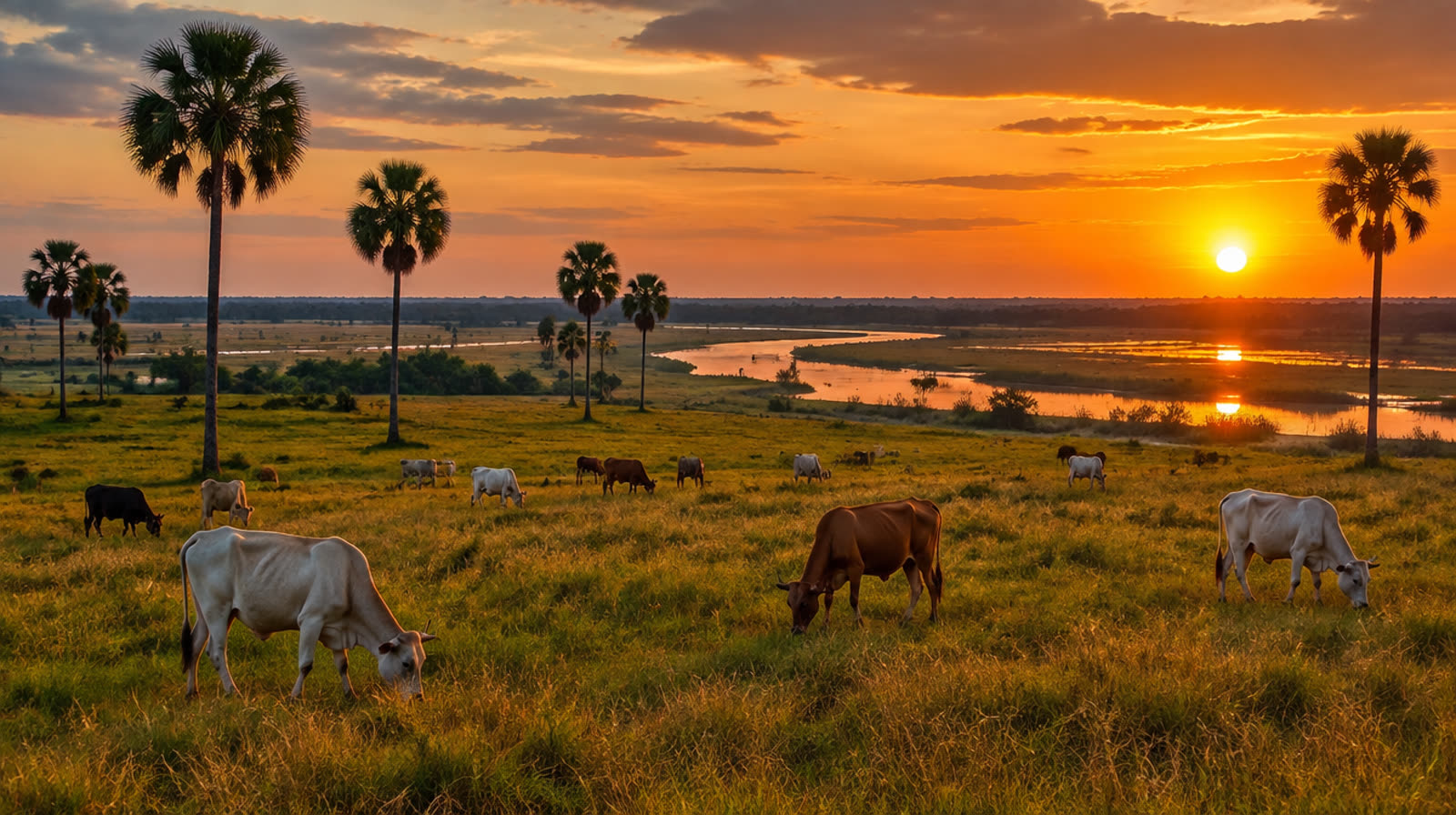
Barinas State, across Venezuela's western Llanos (plains), is an agricultural region of cattle ranches, rivers, and farmland. The state capital, also called Barinas, is the commercial hub for an economy based on cattle, rice, corn, and other crops. Property here is mostly rural land: working cattle ranches (hatos), cropland, and a smaller number of eco-tourism lodges, alongside urban housing in Barinas city. The Llanos ecosystem also supports birdwatching, wildlife observation, and traditional llanero cowboy experiences that attract some international visitors. Rural property is a very different transaction from a city apartment, because boundaries, water, access, and operating history decide its value.
Investment Overview
Barinas' real estate market is primarily agricultural and land-focused. Ranches, cropland, and lodges are priced by hectares, carrying capacity, irrigation and water access, infrastructure, and operating record, none of which can be reduced to a general figure. This site does not publish price ranges, yields or income figures for Barinas: the figures previously shown here were not sourced. Flat terrain and river access make irrigation possible in places, but access roads can become difficult in the rainy season. Eco-tourism lodges are a niche category, and any income claim should be backed by operating records.
What drives the Barinas market
- →Working ranches and farmland in an established agricultural region
- →Land priced by hectare, carrying capacity, water, and infrastructure
- →Eco-tourism and birdwatching setting for a small lodge segment
- →Large parcels, which raise survey and boundary questions
- →River frontage properties (water rights must be confirmed)
- →Rural title is often older and less clean than urban title
Neighborhoods & Areas
Barinas City
The state capital with modern amenities, universities, and commercial centers. Urban properties serve the agricultural business community.
Llanos Sur (Southern Plains)
Vast cattle country with ranches and river frontage. Where large-scale agricultural properties are found, with wildlife and eco-tourism interest.
Barinitas
A foothills town at the edge of the Andes. Coffee-growing region with mountain views, combining agricultural and highland settings.
Santo Domingo Valley
Between Barinas and Merida, this fertile valley has farmland with mountain backdrops, trout farms, and adventure tourism lodges.
Lifestyle & Culture in Barinas
Life in the Llanos follows the rhythms of nature and agriculture. The llanero (cowboy) culture is alive, with horseback cattle work, traditional joropo music, and regional festivals celebrating the ranching heritage. Wildlife is a draw—Barinas' rivers and wetlands are home to capybaras, river dolphins (toninas), caimans, anacondas, and many bird species, and the Venezuelan Llanos are known to birdwatchers. Local cuisine features carne en vara (barbecued beef on stakes), cachapas (sweet corn pancakes), and fresh river fish. The pace of life is slower and closer to the land than in Venezuela's cities.
Property Market Analysis
The Barinas land market is a market of individual properties rather than a market with a visible price level. Established cattle operations can be assessed on their documented carrying capacity, herd records, and infrastructure; the seller's description is not enough. Title in rural areas often involves older documents, inherited land, and boundaries that have never been surveyed, so a current survey and a full registry search are essential for large parcels. The eco-tourism lodging segment is small, and a lodge should be valued on its licences and operating history.
Climate
Barinas has a tropical wet-dry climate with strong seasonal variation. The rainy season (May-November) turns the landscape green and can cut off rural access, while the dry season (December-April) concentrates wildlife around remaining water sources, which suits wildlife tourism. Temperatures average 26-34°C year-round.
Transportation
Barinas Airport handles domestic flights. The Trans-Andean Highway connects Barinas to Merida (3 hours) and to the Caracas-San Cristóbal highway system. Internal roads range from paved highways to unpaved ranch tracks that may become challenging in the rainy season.
Finding property in Barinas
This site does not hold listings. Property in Barinas is advertised mainly through Spanish-language local agencies, with a thin and often stale layer visible on international aggregator portals. Where listings come from explains the channels and how to check whether a listing is current.
Frequently Asked Questions
What types of agricultural properties are available in Barinas?
Working cattle ranches, cropland for rice and corn, mixed-use farms with cattle and crops, and eco-tourism lodges. Many include existing infrastructure such as corrals, worker housing, and water systems, but what is actually included and in what condition has to be inspected.
How profitable is cattle ranching in Barinas?
This site does not quote returns. Profitability depends on carrying capacity, herd management, costs, and the security and condition of the property, and any return figure offered to you should come with the records it is based on.
Is there eco-tourism potential in Barinas?
The Venezuelan Llanos are known for birdwatching and wildlife, so there is a real tourism interest. A lodge should be assessed on its licences, occupancy records, and access during the rainy season, not on projected income.
What should I know about buying farmland in Venezuela?
Title verification and a current boundary survey are essential for large parcels. Work with a local lawyer experienced in agricultural property. Confirm water rights, access, and any tenant or usage agreements, including informal ones that do not appear in the registry.
Explore Other Regions
Before you go further with Barinas
Check what you are permitted to buy as a non-resident, and what has to be verified before any deposit. Those two things decide more purchases than the region does.